The Study Garden
2022-2025
A landscape in transformation.
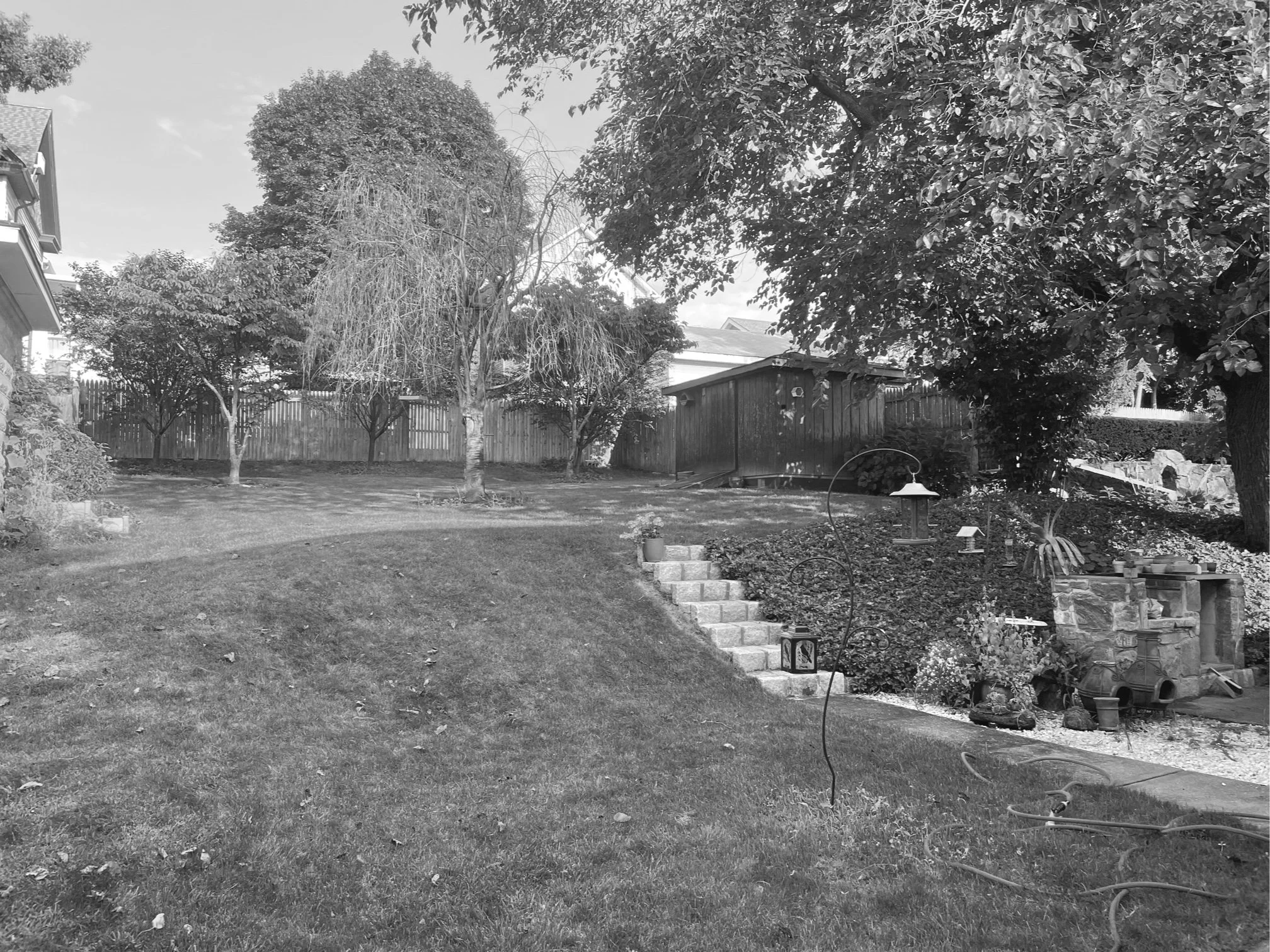
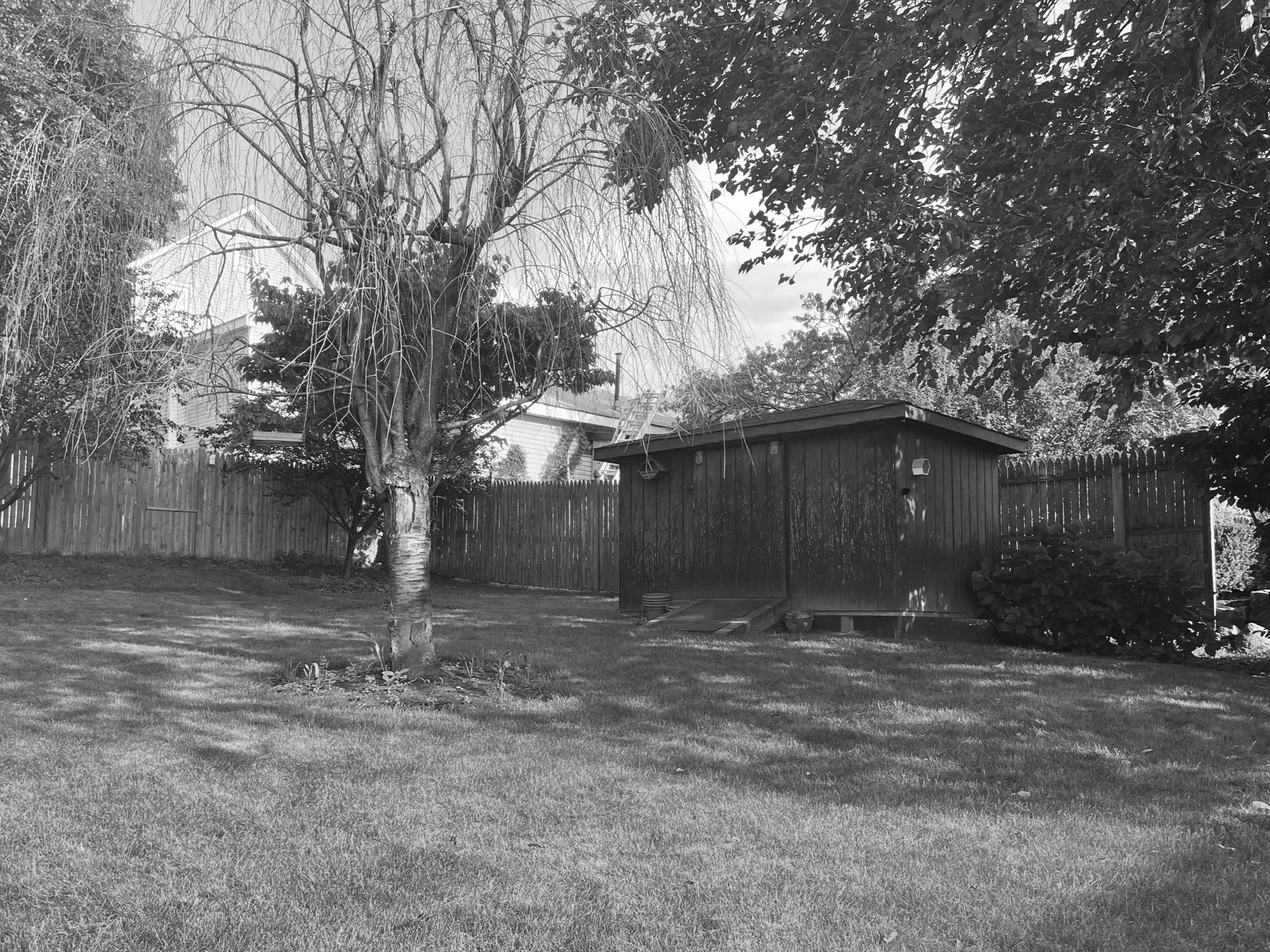
When I began to work the site, the garden was defined by a few ornamental remnants—a dead weeping cherry, struggling ornamental plums, and a vast monoculture of pachysandra. The only plants we chose to keep were a mature viburnum and two Cornus florida, though even they now contend with a changing microclimate. The most impressive presence was an old white mulberry, which provided shade and privacy, but over time, we discovered it was succumbing to root rot, a reminder of the garden’s delicate balance.
Set on a slope, the land came with its own set of challenges—drainage issues, basement leaks during summer storms, and soil instability. The original planting offered little in terms of ecological value, beauty, or resilience.
The Study Garden is not static—it’s a place of observation, learning, and transformation.
This project reflects a long-term relationship with a living landscape—one shaped less by initial authorship than by careful observation, stewardship, and thoughtful intervention over time.




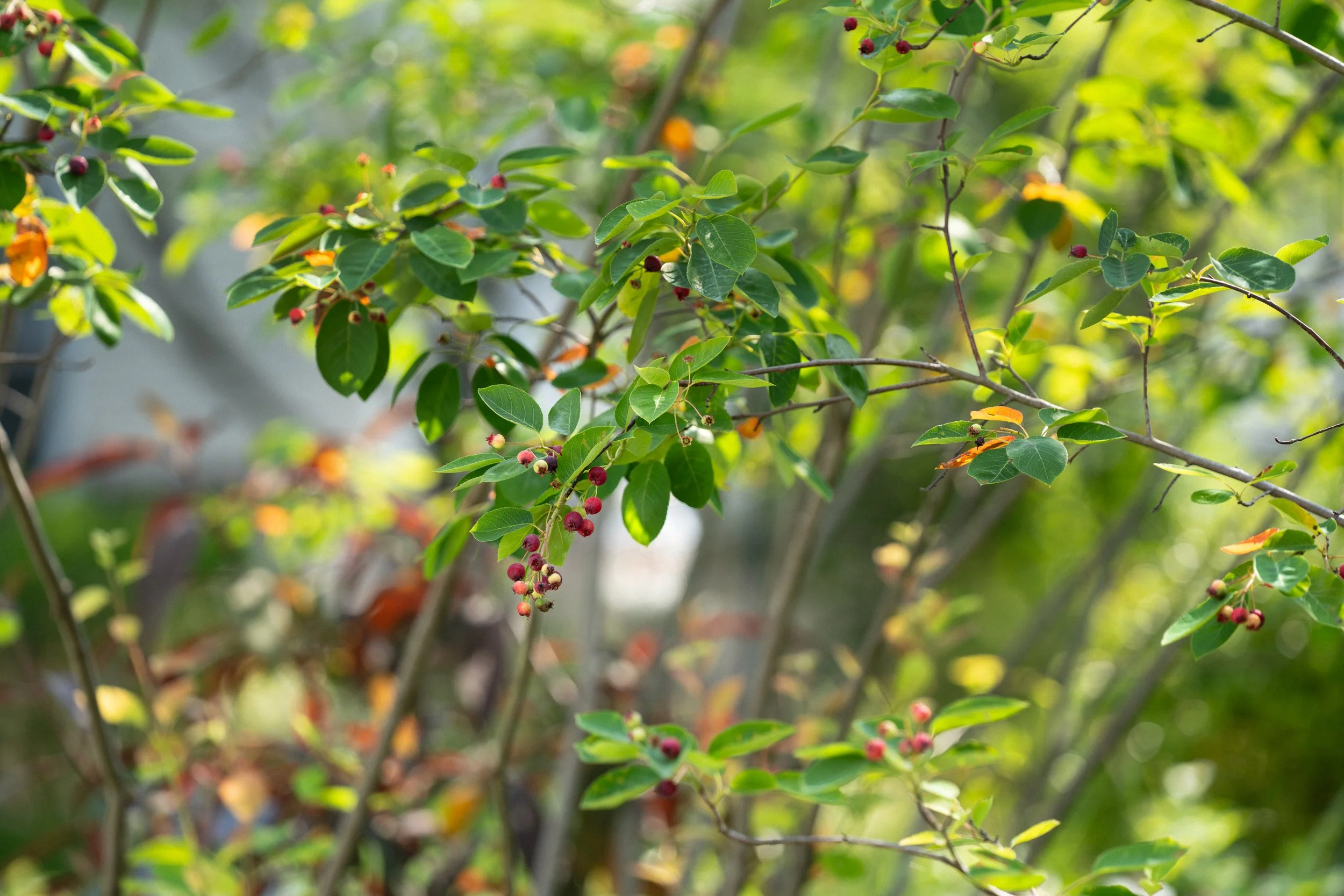
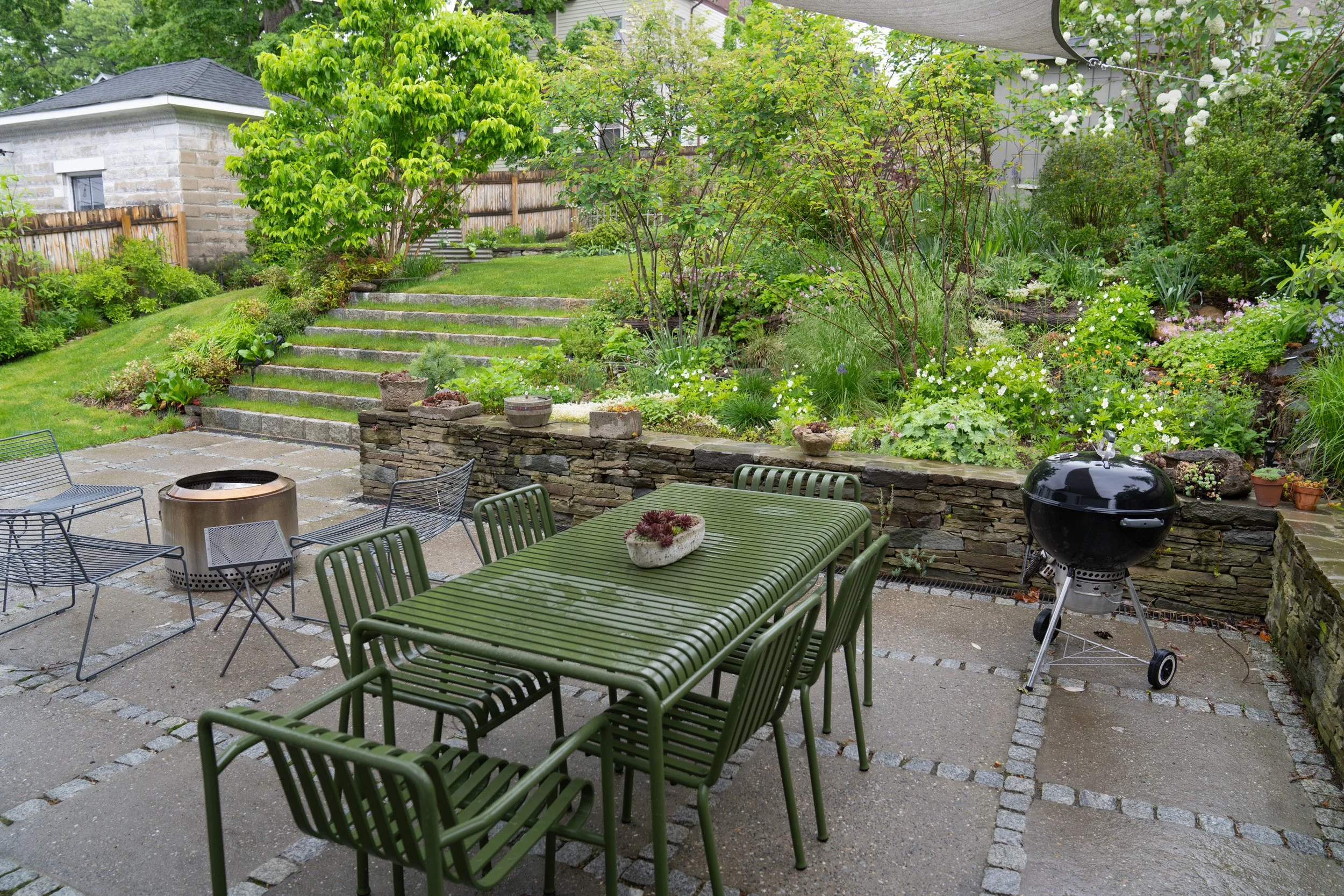
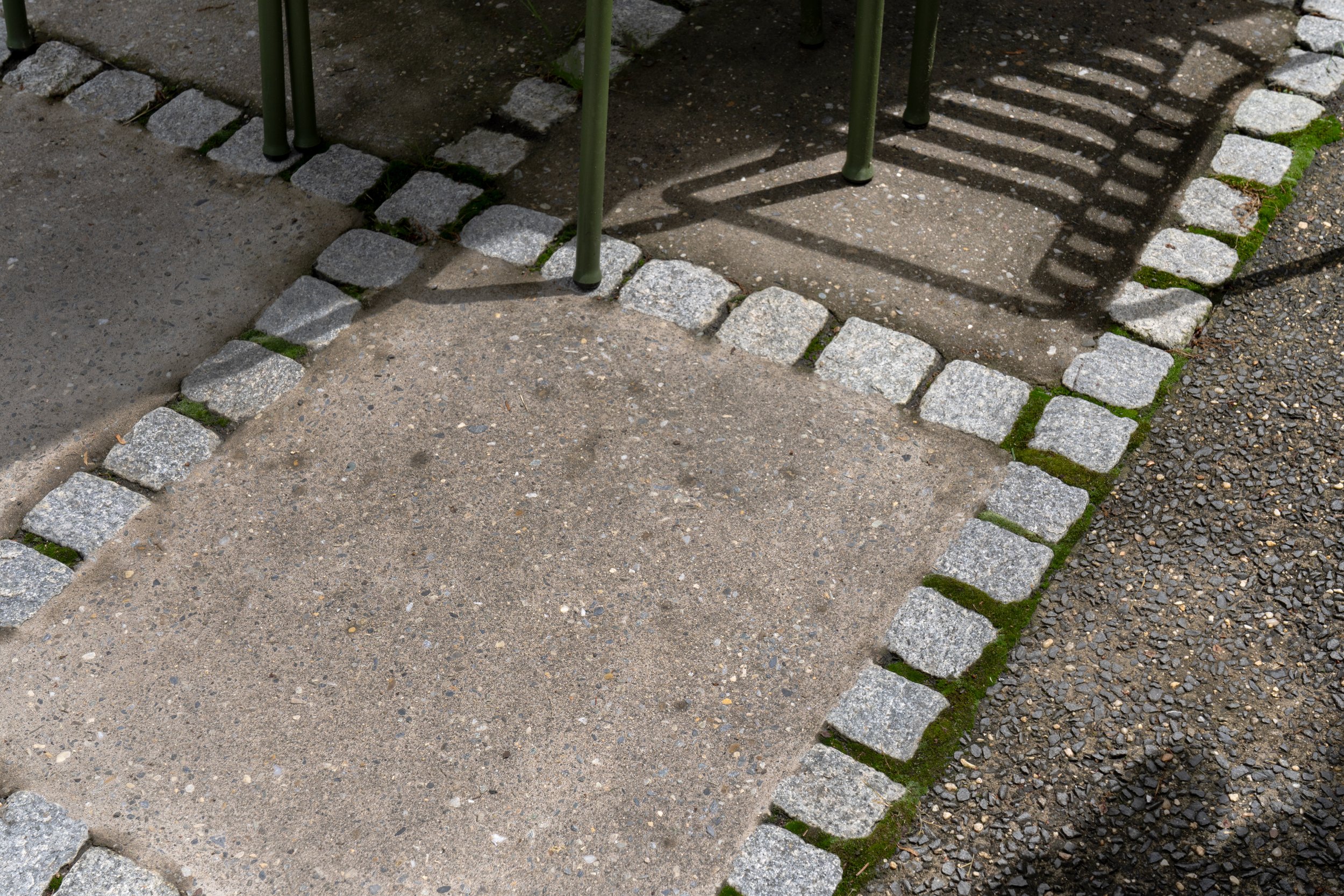
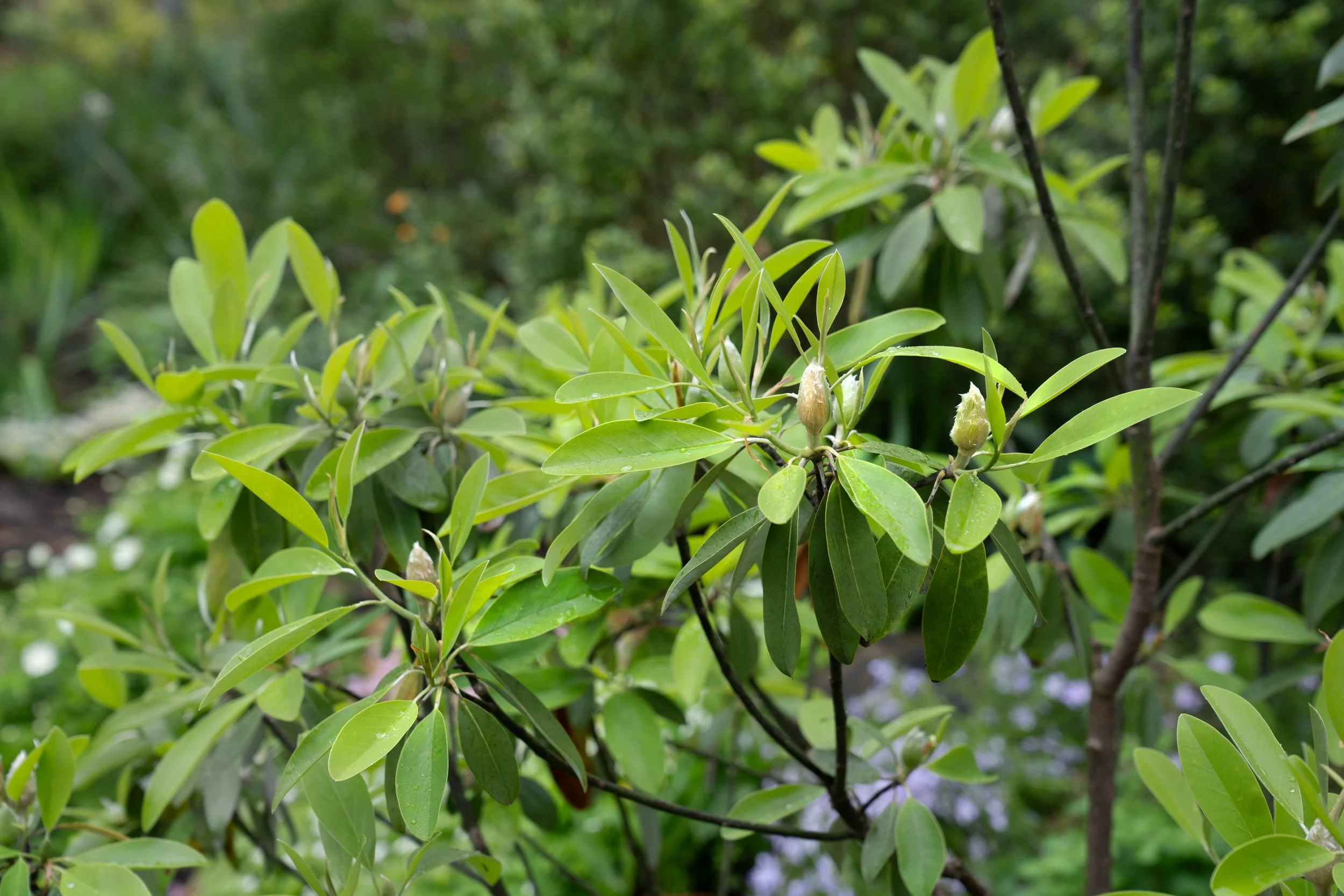
The Shift
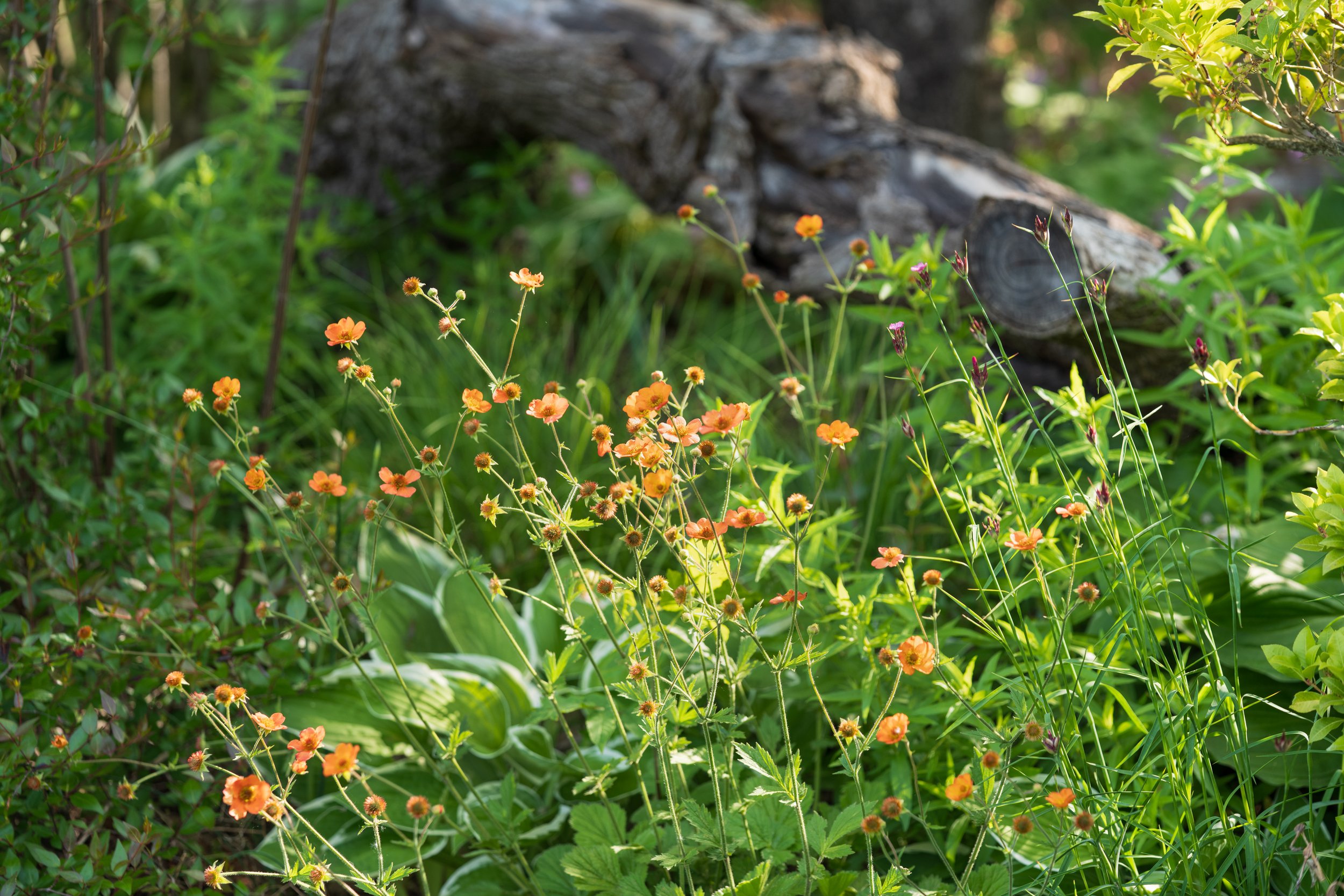
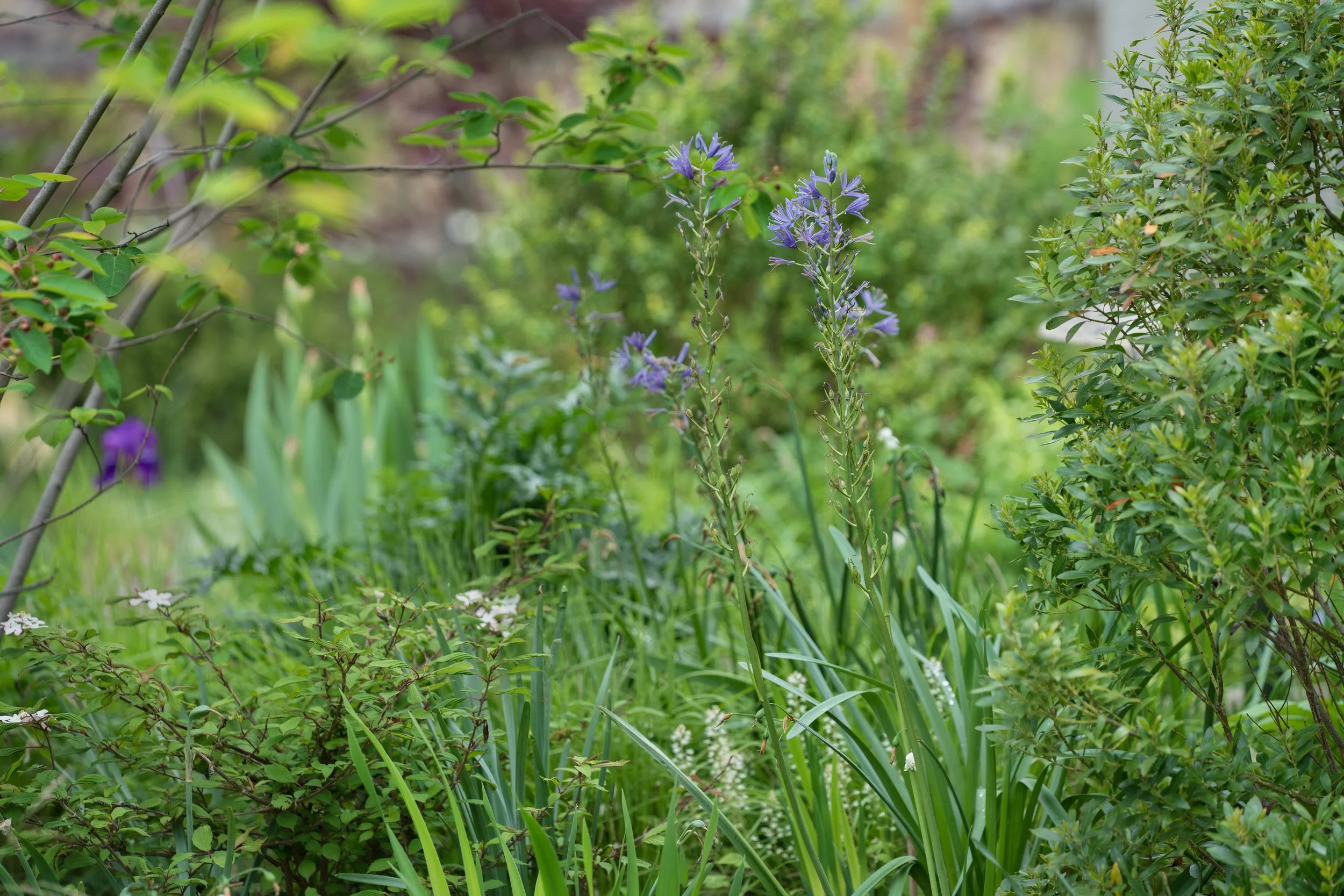
Rather than maintain an outdated planting scheme, the focus became rethinking the ground layer—selecting plants that could stabilize the slope while remaining both productive and beautiful.
This garden became a study in adaptation—an evolving experiment shaped through observation, testing, and careful stewardship, responding to its history, conditions, and limits.
Inherited Landscape
When we arrived, the garden was home to a dead weeping cherry, ornamental plums, and a white mulberry that, while impressive, was slowly succumbing to root rot. The only existing plantings we chose to retain were a viburnum and two native dogwoods.
The site’s steep slope brought its own challenges—drainage issues, soil erosion, and basement leaks during summer storms. An existing pachysandra monoculture offered little ecological value or seasonal interest.




-
![pre-renovation garden in black and white - before photo]()
Before 2021
-
![pre-renovation garden in black and white - before photo]()
-
![pre-renovation garden in black and white - before photo]()
-
![pre-renovation garden in black and white - before photo]()