
On Marks
Dear Reader,
I’ve always been drawn to the idea of marks — not as decoration, but as evidence.
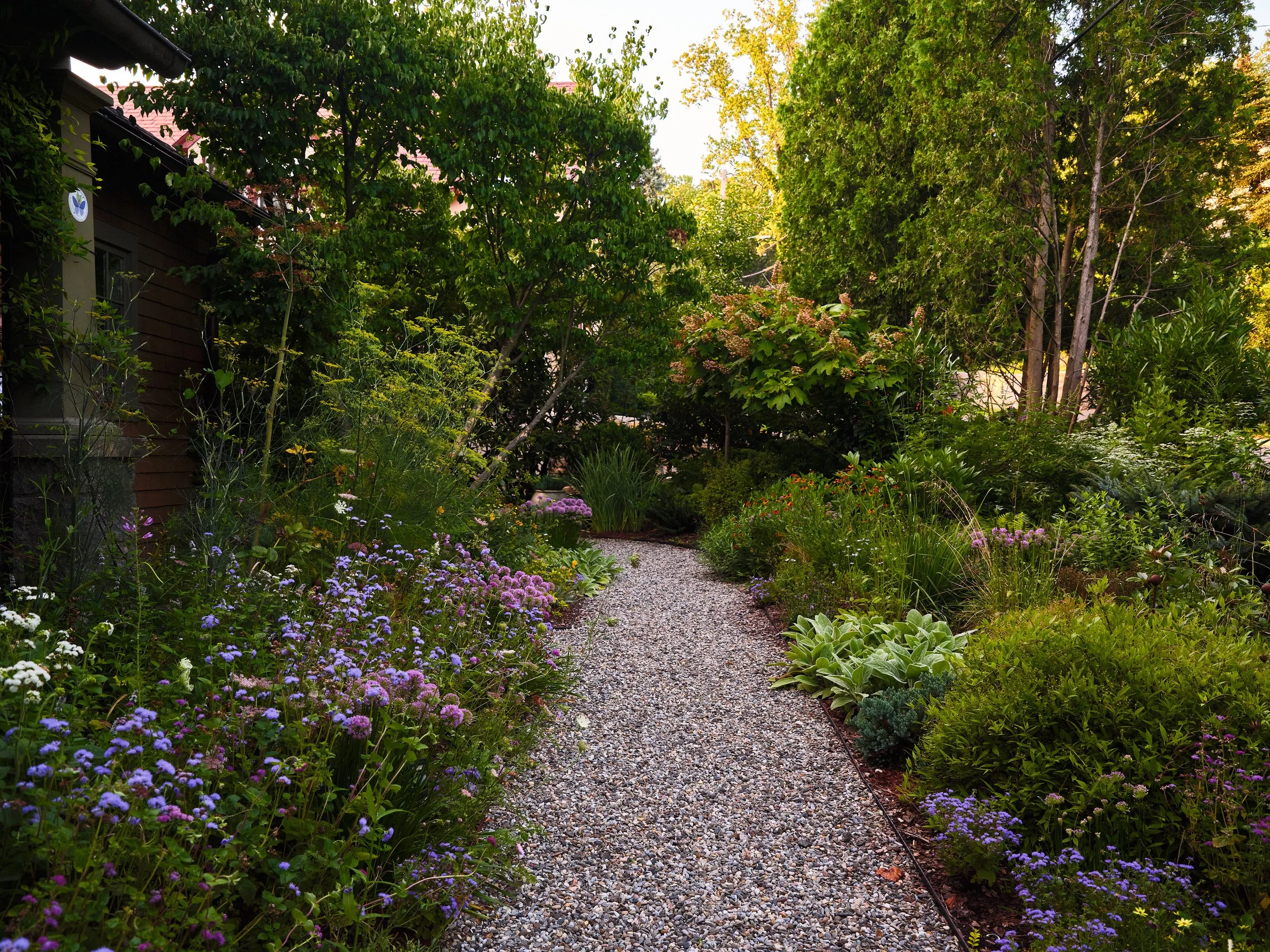
A way of standing behind work without announcing it. In landscape and garden design, decisions are often invisible once they’re made, folded into growth, time, and use. What remains is the feeling of a place: whether it reads clearly, whether it’s comfortable to inhabit, whether it holds together over time. I’m interested in that moment where attention turns into judgment, and judgment into restraint. Where care is present, but not overstated. Where the work feels settled — and allows for pause.
The marks were informed by traditional hallmarks — small, deliberate signs of craft, responsibility, and authorship.
I spend a great deal of time looking out windows. Before anything is drawn or planted, attention is given to what already exists — what wants to be held, and what is better left alone. Design begins with framing rather than addition: deciding where to intervene, and where restraint allows a place to feel inevitable.
Design is not about fixing a moment in time. What is planted establishes relationships — between scale and movement, light and density, openness and shelter — that will shift as the garden grows. The work lies in anticipating those changes without trying to control them completely. When restraint is calibrated carefully, the space remains legible even as it evolves.
Leaves are where decisions become visible. Through density and restraint, intent emerges seasonally — not all at once. Endurance is favored over immediacy, and care is carried through timing rather than excess.
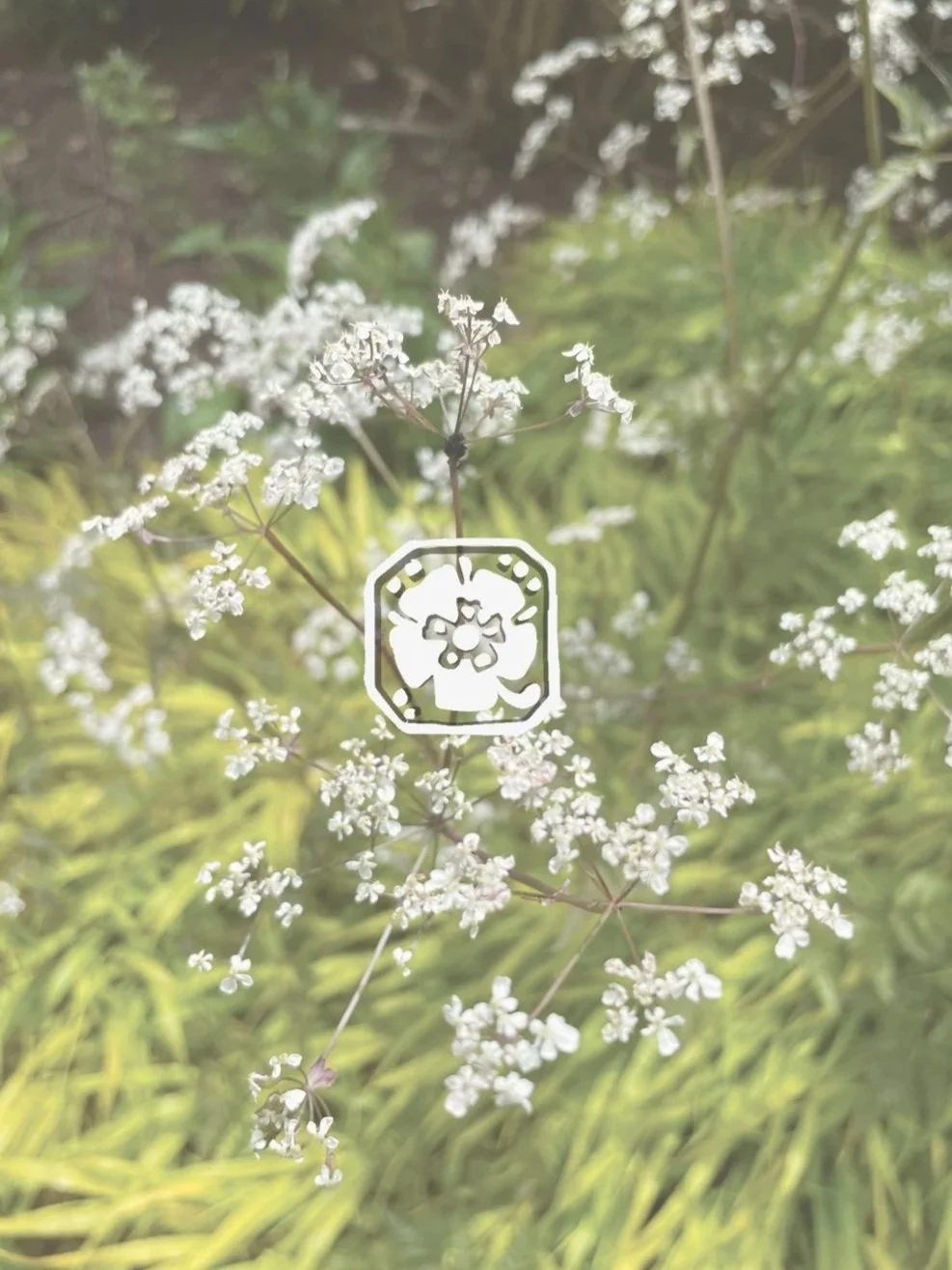
Some decisions are made to invite pause. Moments of pleasure soften the structure without undoing it, offering relief and human scale within the larger framework.
The work is a collaboration, not a command.
More soon,
Ashley